Pamela gave us an overview of the history of subcultures:
First use of the word subculture was in the 1940s to describe gangs.
First real subculture was the zoot suit. Late ‘40s America. Malcolm x.
Bikers.
Teddy boys. Mods. Rockers.
Can you have a genuine subctulture anymore, or does it become too commercial. This idea of contemporary subcultures is intriguing. Perhaps designers are aware of the importance of 'trickle up' fashion, on top of simply 'trickle down' fashion, so they have their 'ear to the ground,' and are aware of underground trend movements.
Rockers- Hollywood.
Youth culture 1950s.
Rise of the teenager is a demographic fact.
High urban populations and improved standards of living.
The rise of the teenager as a consumer group
Disposable income and credits for young people.
Abolition of national service in some countries.
Not many young people went to university at that time.


Hay’s Code was relaxed!!! TV!!!! The Wild One 1953. Quite tame to see it, but it was banned. Fear that it would make people do bad things. Blackboard jungle. 1955. Rebel without a cause. 1955.
Teen movie now formulaic. As it has been done so much. Not another teen movie. Mean girls.
Easy Rider. The first road movie. First movie to have songs of the day as soundtrack rather than a score.
Alienated youth on a killing spree. Gun crazy 1950. Bonnie and clyde 1967. Clockwork orange 1971. Badlands 1973. Natural born killers 1994. Elephant 2004.
Subculture. Symbolic resistance through style. The problematics of lived class existence. Perhaps the reason contemporary subcultures, particularly in Australia, are more ambiguous, is the changed modes of communication ad activism. Perhaps youth feel empowered by social networking sites and the democratisation of media, that if they have something to revolt against, they are more likely to start a facebook group, than start a mob on the street.
All youth cultures, bar hippies, were largely working class. Had style. In 2011, mass production has allowed garments to be so cheap that class is not necessarily restrictive of sartorial identity, to such an extent as it was in previous eras, such as the golden age of couture, where the real and the fake had such a strong distinction.
Mods- young working classs men looking amazing in Italian tailoring. Was at a time when middle class men looked terrible and sloppy.
Bricolage. mods were bricoleurs. Take sharp tailoring, and arrange it differently to subvert its establishment meaning. Take pills and vespa, and make them status symbols, not functional objects. Metal combs. Union jacks. It was ok for men to talk to each other about clothes. ‘face’ façade. means look good. Influeced by Italian. Why la dolce vita was so important!! Quadrophenia. This is England.
Subculture; linked to notions of authenticity. Style leaders. Active and creative consumers. Innovative and original. Opposing bourgeois values. Resisting mass consumption and taste.
Point break.
Two methods of subculture recuperation. The commodity form, and the ideololdical form.
The girl can’t help it 1955.
Jailhouse rock- the only decent movie Elvis made. Came from the south, wore clothes from shops where only black men shopped. Zoot suit ish.
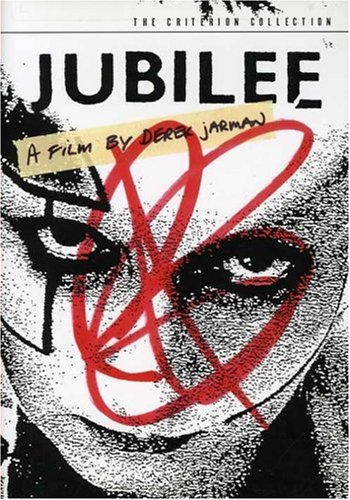
Jubilee 1977. Watch it. Derrick Jarman. About girl punks.
Sarah thornton. Subcultures not necessarily about resistance. Could have creative and commercial living side by side, not cancelling each other out. Mainstream and alternative boundaries are nto distinct.
Subcultures are defined and created by entrepreneurs. Taste cultures organized around subcultural capital.
Subcultural capital may not equal economic capital as successfully as cultural capital, but it still employs djs, club organizers, clothes designers…
Clubbed to death, french film. Not very good film
La Haine. Good powerful film.
Mc Robbie- girls and subcultures. Female youth culture were more private. Schools, girls bedrooms. Overpriveledge consumption over work and production. Magazine Jackie. Group behaviour.
Are there any current examples of Bricoleurs? Lady Gaga. She represents mainstream commodification of sartorial revolt.